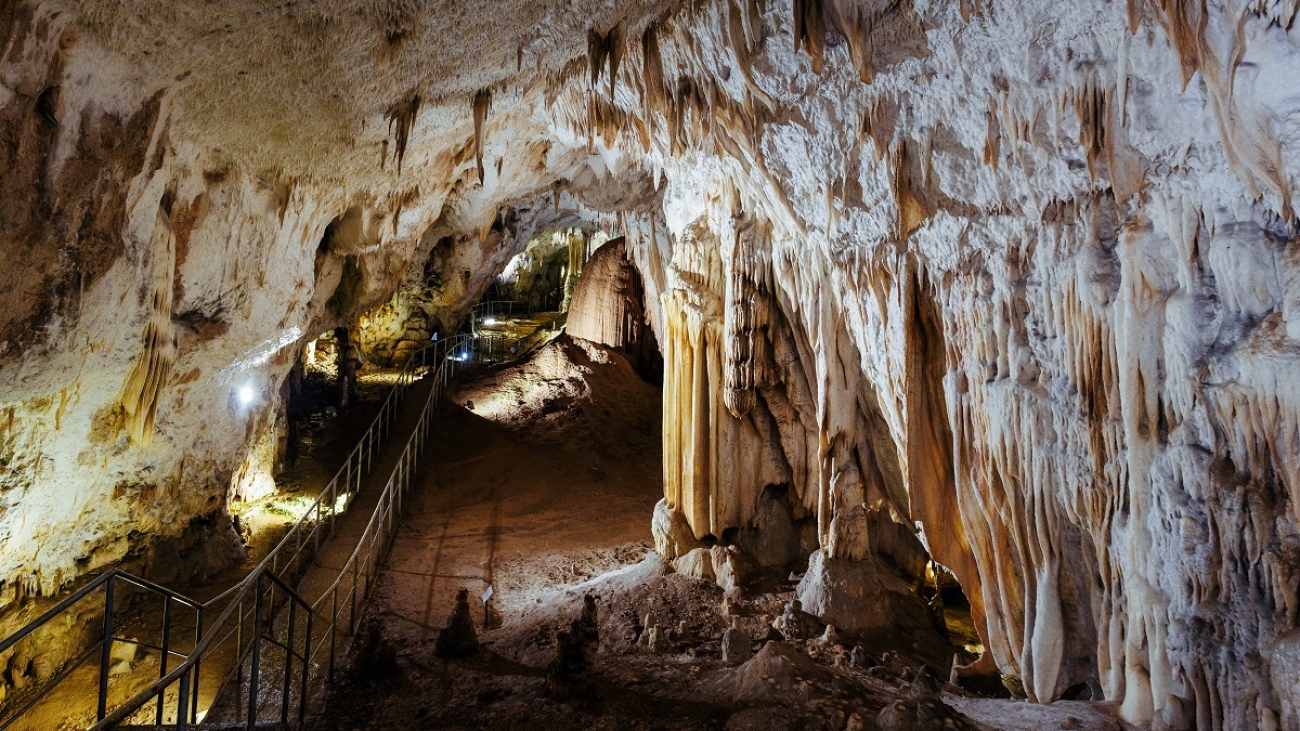
Caves and karst are resources of immeasurable value. Karst is a type of landscape that, according to estimates, covers around 20% of the world’s land surface and is characterized by distinctive landforms.Caves and other speleological features represent some of the few places on our planet where it is still possible to explore and map insufficiently investigated spaces. In addition to their importance for fundamental scientific research, speleology often has a practical role, given that significant reserves of groundwater are commonly found in limestone underground environments. Speleological features are an important part of an area’s geodiversity, which is why their significance in the context of heritage conservation and protection is continually emphasized. They are also habitats for some of the rarest ecosystems on our planet. Hundreds of caves around the world are open to visitors and represent valuable resources for tourism. For all these reasons, caves and karst contribute to the well-being of society, while also presenting specific challenges.