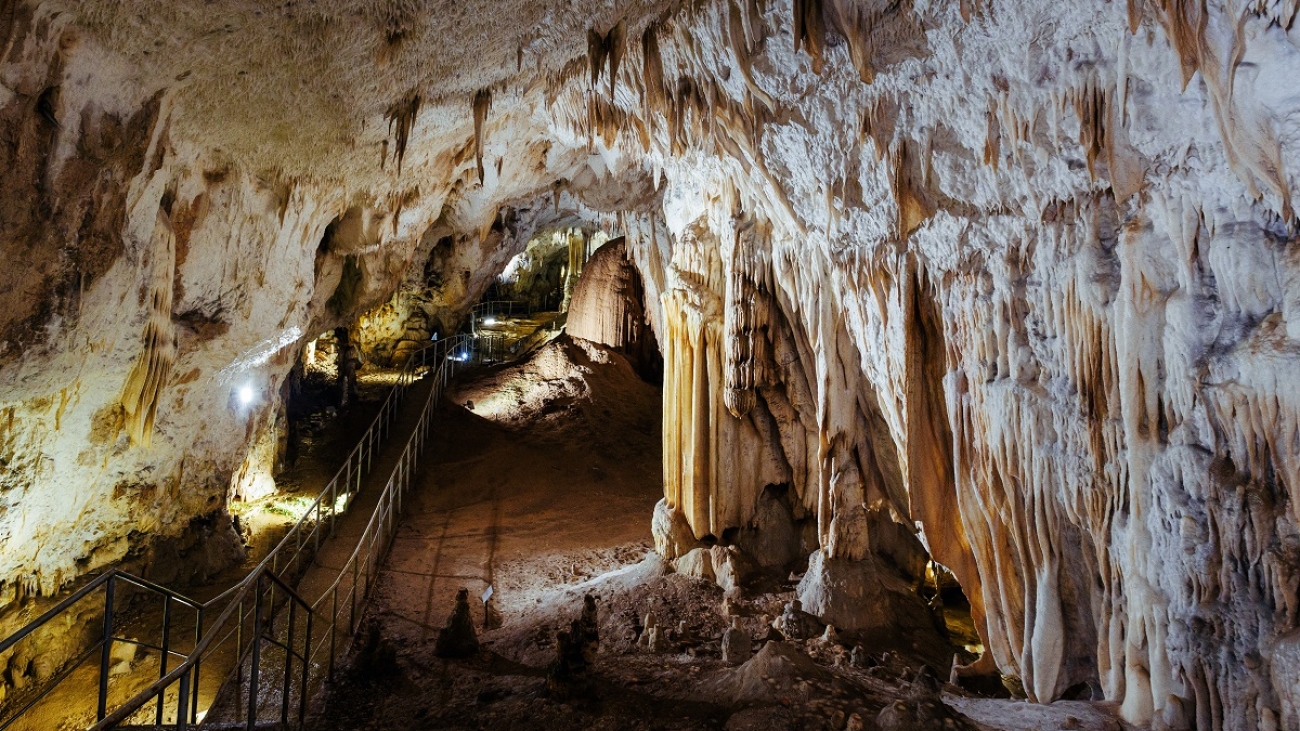
Caves and karst are resources of immeasurable value. Karst is a type of landscape that, according to estimates, covers around 20% of the world’s land surface and is characterized by distinctive landforms.Caves and other speleological features represent some of the few places on our planet where it is still possible to explore and map insufficiently investigated spaces. In addition to their importance for fundamental scientific research, speleology often has a practical role, given that significant reserves of groundwater are commonly found in limestone underground environments. Speleological features are an important part of an area’s geodiversity, which is why their significance in the context of heritage conservation and protection is continually emphasized. They are also habitats for some of the rarest ecosystems on our planet. Hundreds of caves around the world are open to visitors and represent valuable resources for tourism. For all these reasons, caves and karst contribute to the well-being of society, while also presenting specific challenges.
The TID Regatta has once again arrived in the Djerdap region!
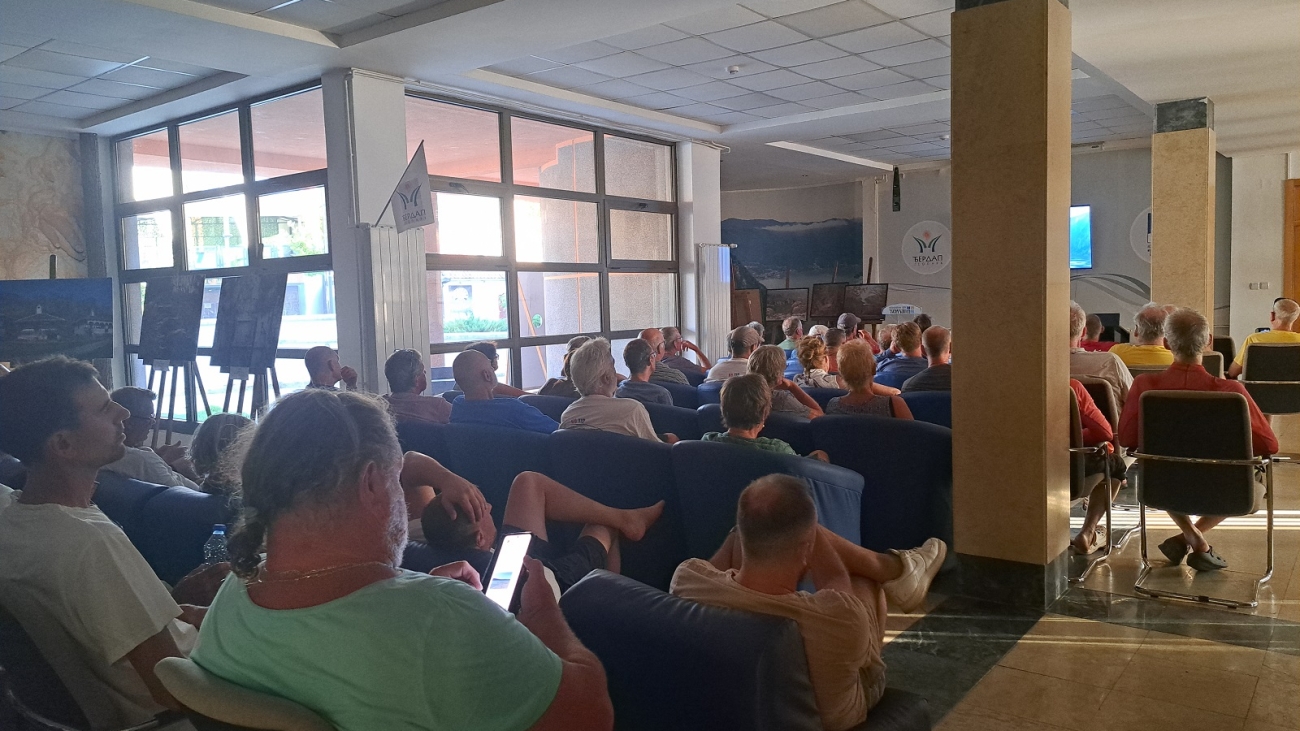
Participants in the Tour International Danubien visited the Visitor Centre of Djerdap National Park in Donji Milanovac, where they learned about the outstanding natural, geological, cultural and historical heritage of Djerdap National Park and Djerdap UNESCO Global Geopark.
Two UNESCO Global Geoparks – One Story of Earth, Water and People
As a result of long-standing cooperation and the signing of an open-ended Memorandum of Cooperation between the UNESCO Global Geopark Vis Archipelago and the UNESCO Global Geopark Djerdap, a joint promotional flyer entitled “TWO UNESCO GLOBAL GEOPARKS – ONE STORY OF EARTH, WATER AND PEOPLE” has been created with the aim of presenting and promoting the geological, natural and cultural heritage of these two areas.
Djerdap Geopark Continues Its Educational Programme – Geosouvenir-Making Workshop
Learning is at its best when combined with creativity! As part of the European Geoparks Week, Djerdap Geopark continued its educational programme by organizing geosouvenir-making workshops for students of “Branko Perić” Primary School in Rudna Glava and its branch schools in Crnajka and Krš, held on Monday, 8 June.
Еuropean Geoparks Week Marked by the Lecture “The Ice Age in Đerdap” and the Opening of the Exhibition “Heritage and Nature”
As part of the European Geoparks Week programme, an event was held on 2 June 2026 in Donji Milanovac, organized by Đerdap National Park Ltd., the managing authority of the Đerdap UNESCO Global Geopark.
Celebrating the Day of UNESCO Global Geoparks Visitor Centers
On May 18, as part of the celebration of the Day of UNESCO Global Geoparks Visitor Centers promoted by the Global Geoparks Network, the Visitor Center of the Djerdap UNESCO Global Geopark welcomed students from the “23. oktobar” Primary School from Golubinci.
Calendar of activities marking the celebration of European Geoparks Week at Đerdap Geopark
The Djerdap area is the first natural site in Serbia to be inscribed on the UNESCO Global Geoparks List in 2020. This unique area is characterized by outstanding geoheritage, rich nature, significant archaeological sites, and the traditions of the local population, making it a place of exceptional cultural and scientific value.
Field Visit to Djerdap Geopark on the Occasion of International Mother Earth Day
On the occasion of Earth Day, Djerdap Geopark, in cooperation with the “Velimir Markićević” Primary School from Majdanpek, organized an educational visit to the Geopark for students from the “Young Guardians” section.
SDG Workshop
On April 22, 2026, in celebration of Earth Day, an international workshop dedicated to the Sustainable Development Goals (SDGs) was held, organized by the Global Geoparks Network (GGN).
Djerdap Geopark awarded the “Green Card” and confirmed as a UNESCO Global Geopark
We are proud to announce that Djerdap Geopark has successfully undergone the evaluation process and has been awarded the “Green Card,” thereby confirming its status within the UNESCO Global Geoparks Network for the next four-year period, from 2026 to 2029.